
 (647) 694-3317


Life can sometimes feel overwhelming. Between work, family, and personal responsibilities, stress can quietly build up and affect our well-being. I’ve found that incorporating practical stress relief methods into daily routines can make a significant difference. These techniques are simple, accessible, and designed to help us regain calm and balance, no matter how busy life gets.
Understanding Stress Relief Methods That Work
Stress relief methods are tools and practices that help reduce the physical and emotional effects of stress. They are not about eliminating stress completely but managing it in ways that support our health and happiness. For example, deep breathing exercises can calm the nervous system, while physical activity releases tension and boosts mood.
One effective method I often recommend is mindfulness meditation. It encourages us to focus on the present moment, gently acknowledging thoughts without judgment. This practice can be as short as five minutes a day and gradually helps build resilience against stress.
Another practical approach is organizing your day with small, manageable goals. Breaking tasks into bite-sized pieces prevents feeling overwhelmed and creates a sense of accomplishment. For instance, instead of tackling an entire project at once, set a timer for 20 minutes and focus on one part. Then take a short break before continuing.
Here are some other stress relief methods you might find helpful:
- Physical activity: Walking, yoga, or stretching can release built-up tension.
- Creative outlets: Drawing, journaling, or playing music can express emotions constructively.
- Social connection: Spending time with loved ones or talking to a trusted friend can provide support.
- Nature exposure: Spending time outdoors, even briefly, can refresh the mind.
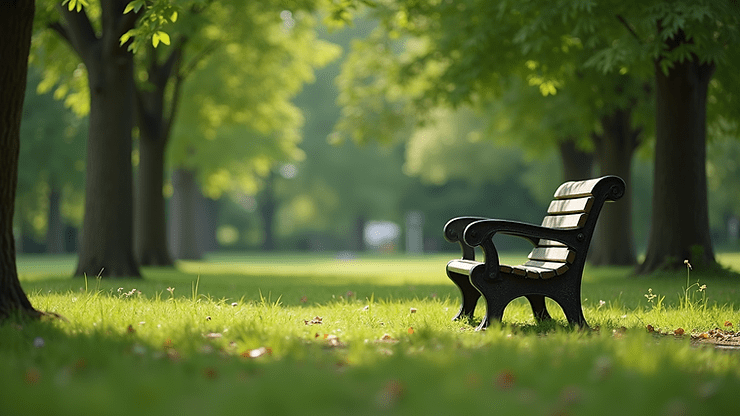
A quiet spot in nature for relaxation
Simple Stress Relief Methods to Try Today
If you’re wondering where to start, here are some easy-to-implement stress relief methods that fit into everyday life:
- Practice deep breathing: Try the 4-7-8 technique. Breathe in quietly through your nose for 4 seconds, hold for 7 seconds, then exhale slowly through your mouth for 8 seconds. Repeat 3-4 times.
- Take short breaks: Step away from your work or daily tasks every hour. Stretch, walk around, or simply close your eyes for a moment.
- Limit screen time: Too much exposure to screens can increase stress. Set boundaries, especially before bedtime.
- Create a calming space: Dedicate a corner in your home for relaxation. Add soft lighting, comfortable seating, and calming scents like lavender.
- Stay hydrated and eat mindfully: Drinking water and choosing nourishing foods can support your body’s ability to handle stress.
By integrating these small habits, you can build a foundation for better emotional balance. Remember, the goal is progress, not perfection.
What are the 5 R’s of stress management?
The 5 R’s offer a helpful framework to approach stress relief thoughtfully. They stand for:
- Recognize: Become aware of your stress signals, whether physical, emotional, or behavioral.
- Relax: Use techniques like deep breathing, progressive muscle relaxation, or meditation to calm your body.
- Reframe: Shift your perspective on stressful situations. Ask yourself if the challenge is temporary or if you can control the outcome.
- Respond: Take positive action, such as problem-solving or seeking support, rather than reacting impulsively.
- Recharge: Prioritize rest and activities that replenish your energy, like hobbies, sleep, or social time.
Applying these steps can help you respond to stress in a balanced way, reducing its impact on your daily life.

Journaling as a tool for stress relief and self-awareness
Incorporating Stress Relief into Relationships and Family Life
Stress doesn’t just affect us individually; it can ripple through our relationships and family dynamics. I’ve learned that sharing stress relief methods with loved ones can strengthen connections and create a supportive environment.
For couples, setting aside time for open conversations about stress can foster understanding. Simple practices like taking a walk together or doing a relaxation exercise can build intimacy and reduce tension.
Parents can model healthy stress relief for their children by involving them in calming activities. For example, family yoga sessions or creative projects can be both fun and soothing. Encouraging children to express their feelings openly also helps them develop emotional resilience.
Remember, it’s okay to ask for help. Sometimes, professional guidance can provide tailored strategies that suit your unique situation. This is where centers like Core Connections Psychology Centre come in, offering compassionate support to individuals, couples, and families seeking emotional well-being.
Making Stress Relief a Sustainable Habit
The key to effective stress relief is consistency. It’s easy to try a new technique once or twice, but lasting benefits come from making these practices part of your routine.
Here are some tips to help you stay on track:
- Set reminders: Use your phone or calendar to prompt you to take breaks or practice relaxation.
- Start small: Choose one or two methods to focus on initially, then gradually add more.
- Be patient: Change takes time. Celebrate small victories and be gentle with yourself.
- Track your progress: Keep a journal of what works and how you feel. This can motivate you and highlight patterns.
- Stay flexible: Life changes, and so will your needs. Adjust your stress relief methods as necessary.
By nurturing these habits, you create a foundation for emotional balance that supports your overall well-being.
If you want to explore more about stress management, Core Connections Psychology Centre offers resources and professional support tailored to your needs.
Embracing Calm and Connection Every Day
Stress is a natural part of life, but it doesn’t have to control us. By embracing practical stress relief methods, we can create space for calm, clarity, and stronger connections with ourselves and others.
Whether it’s a few deep breaths, a walk in nature, or a heartfelt conversation, these small actions add up. They remind us that we have the power to care for our emotional health and build meaningful relationships.
Let’s take these steps together, one day at a time, toward a more peaceful and connected life.